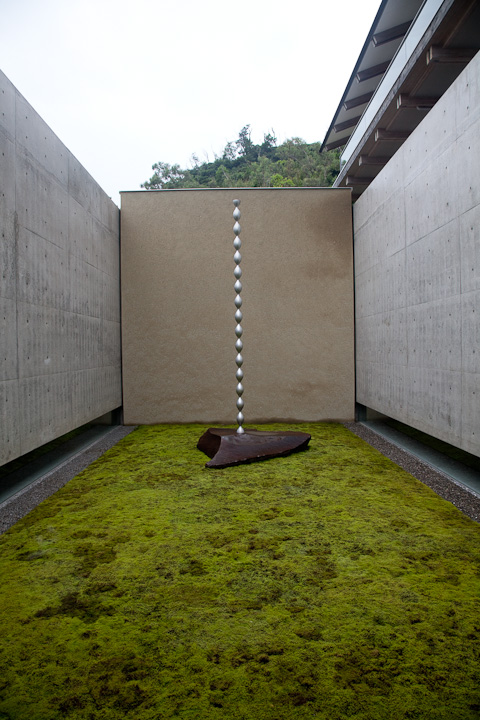
Just a quick gallery of the art and Architecture on the Island of Naoshima. Â Amazing place with a mix of the vernacular and not so vernacular forms of art and architecture.
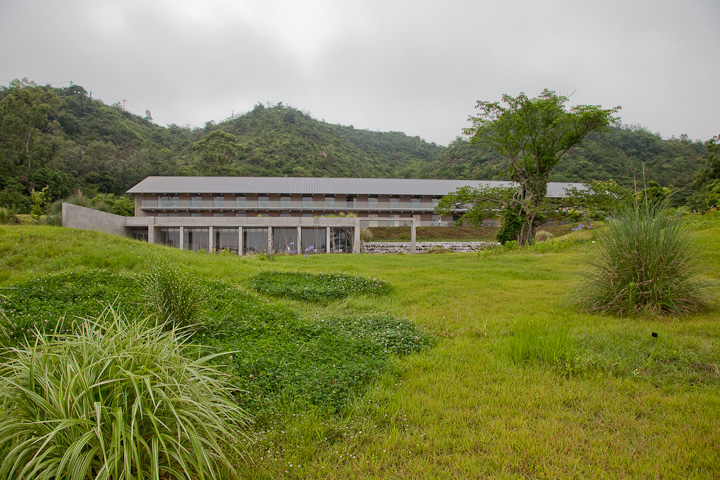
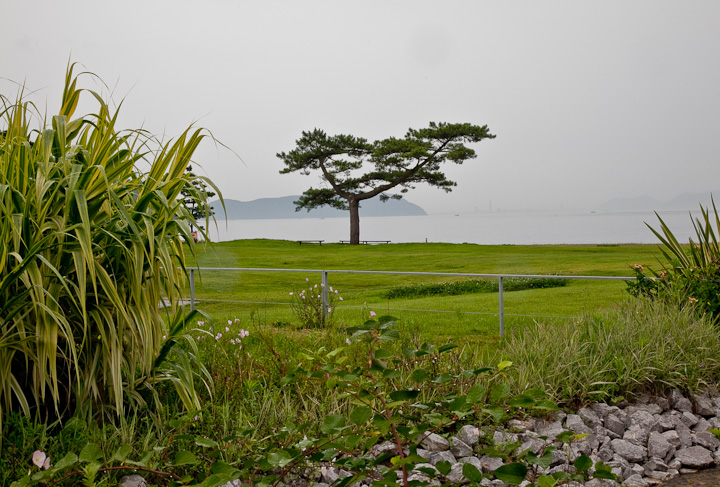
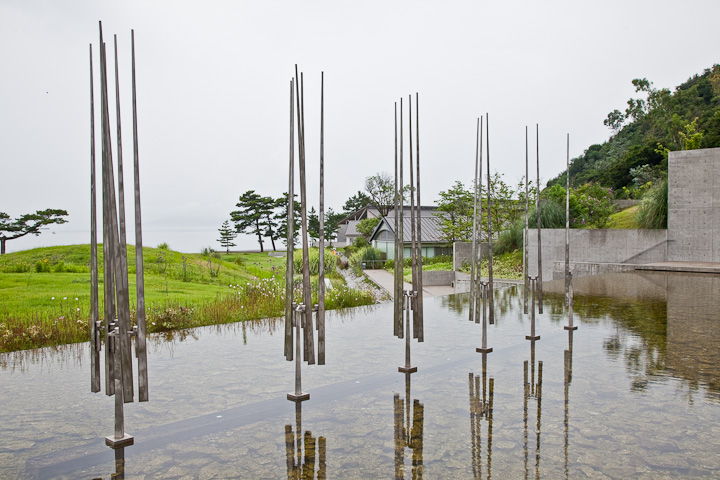
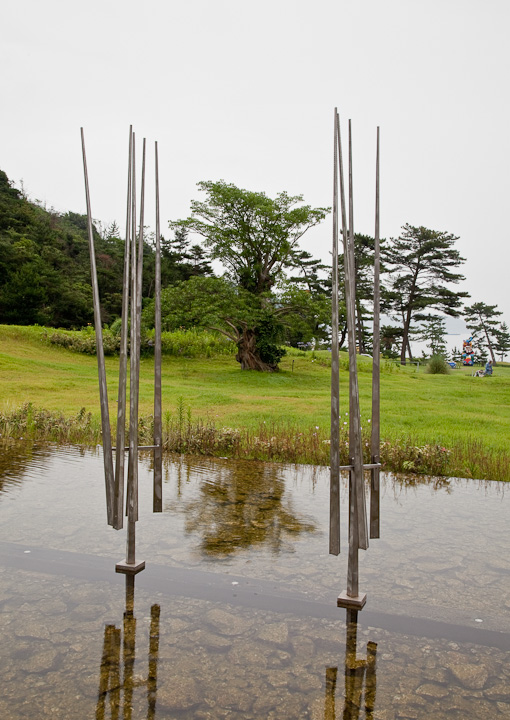
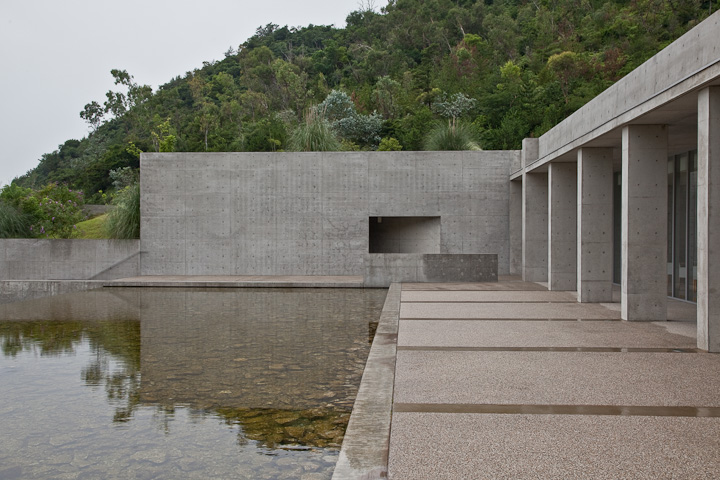
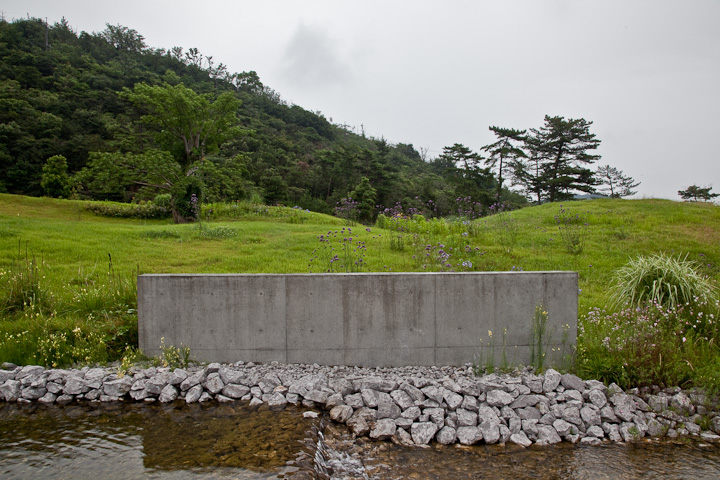
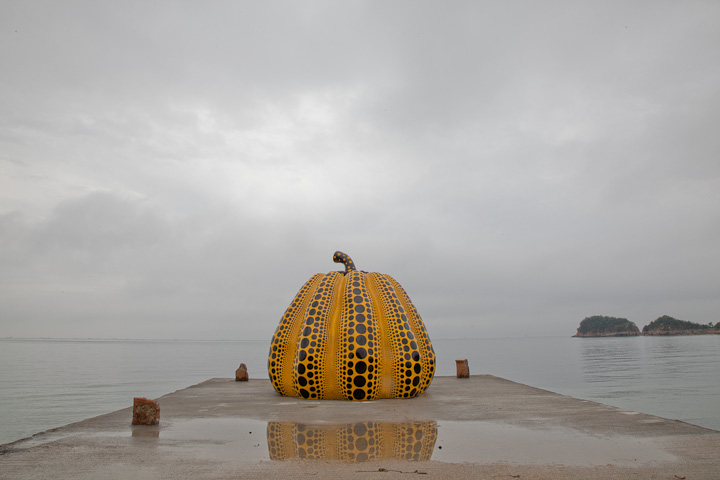
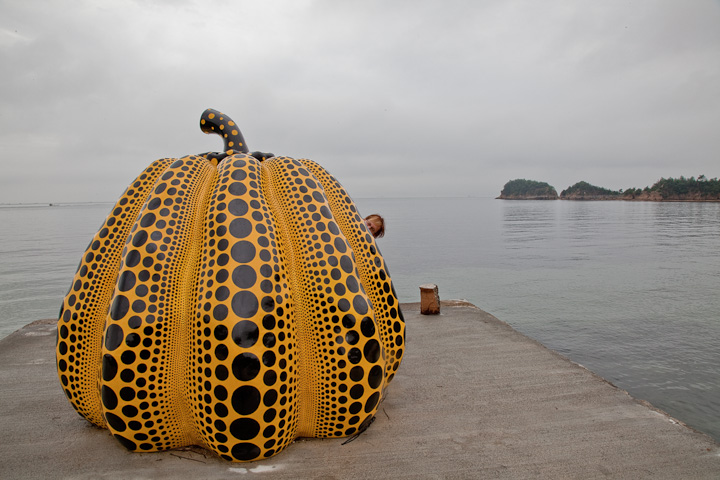
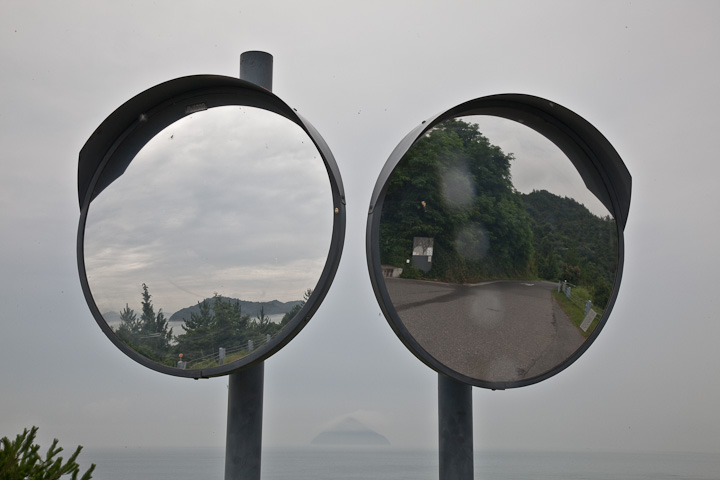
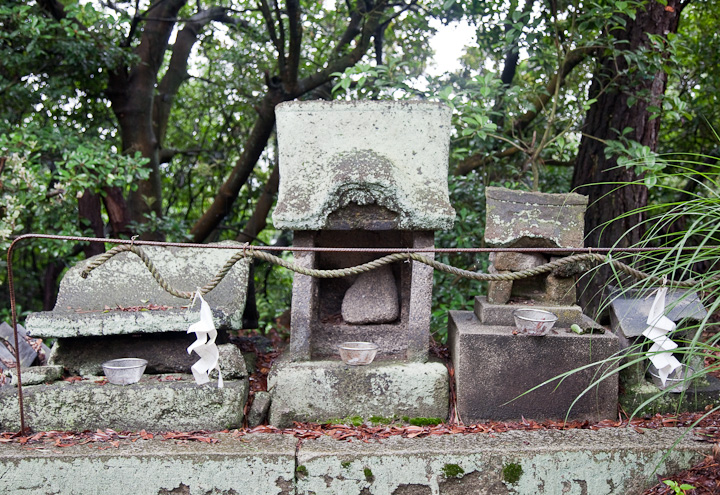
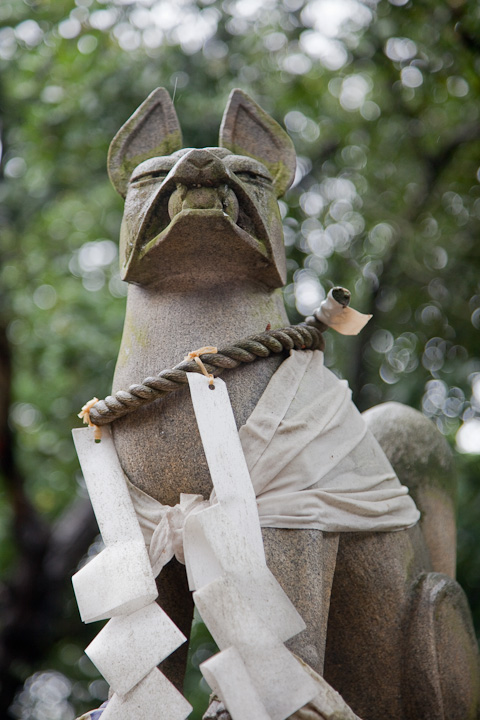
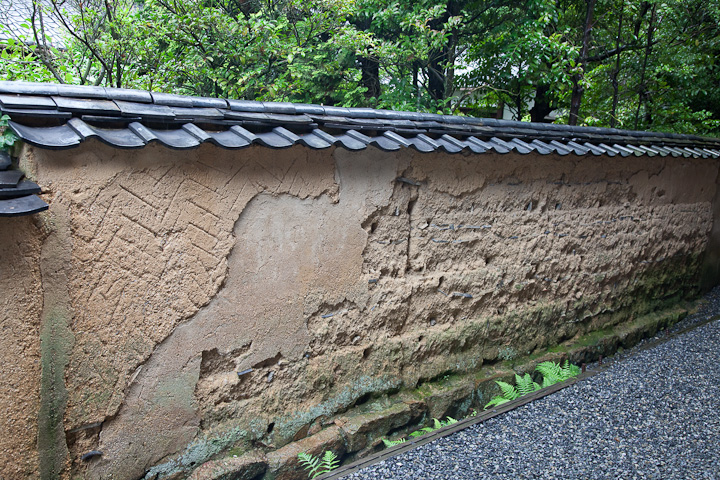
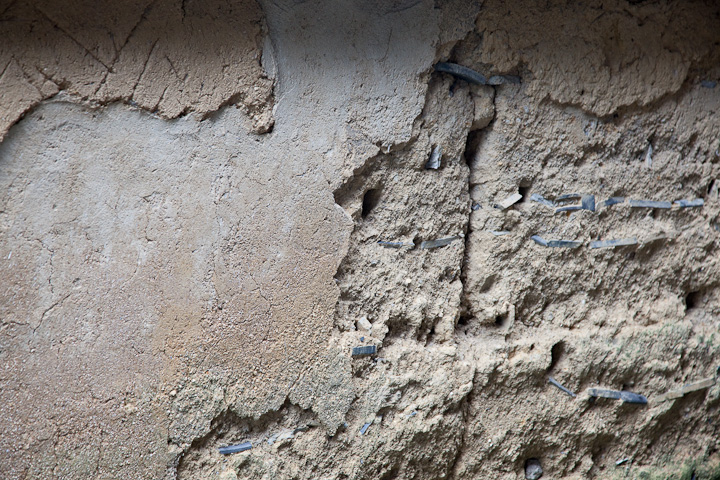
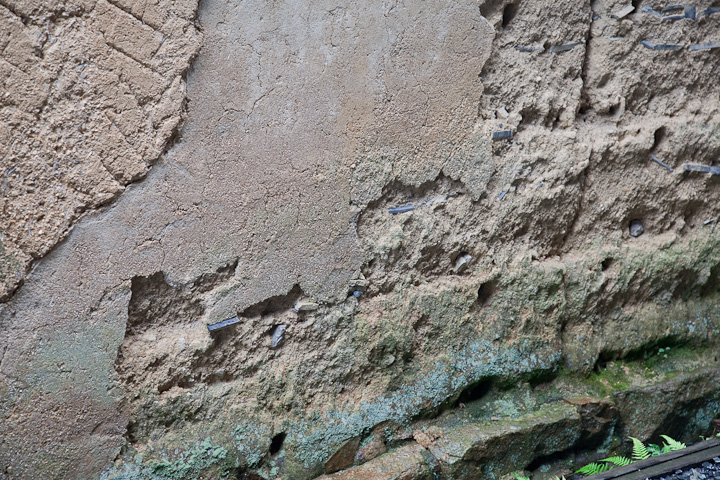
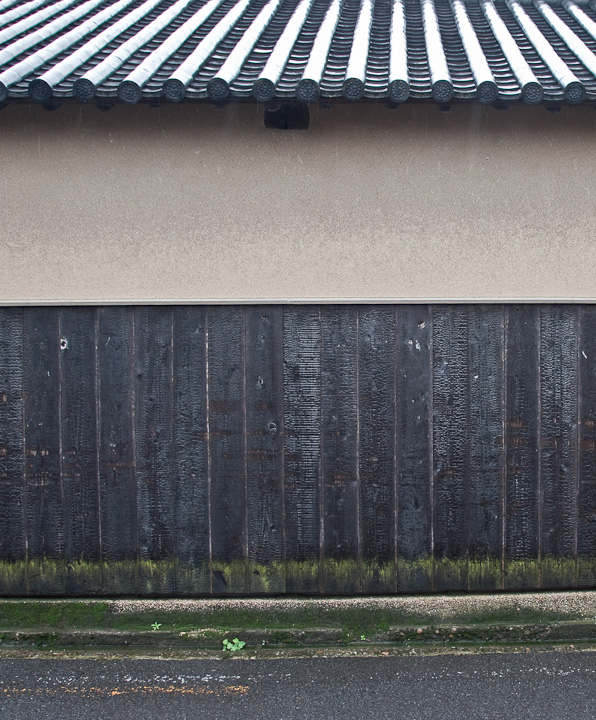
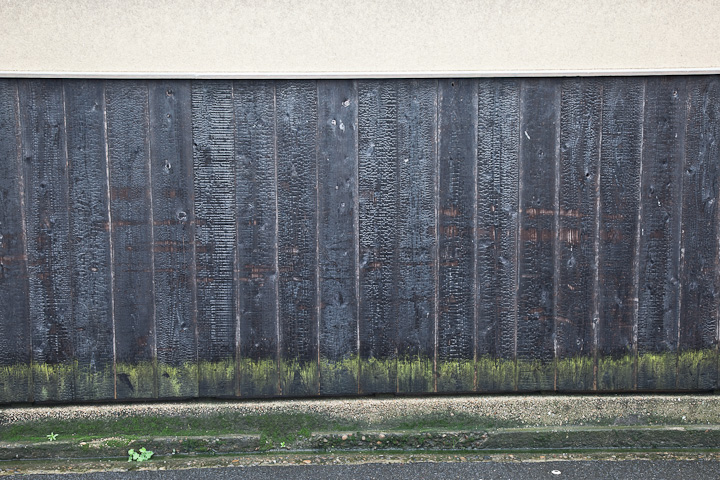
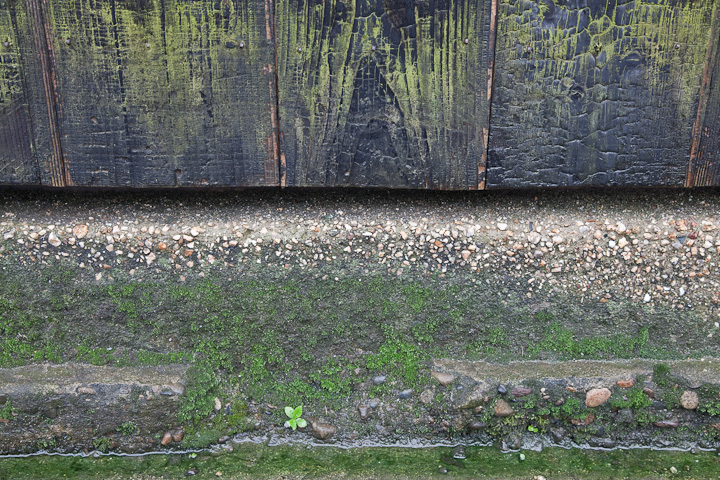
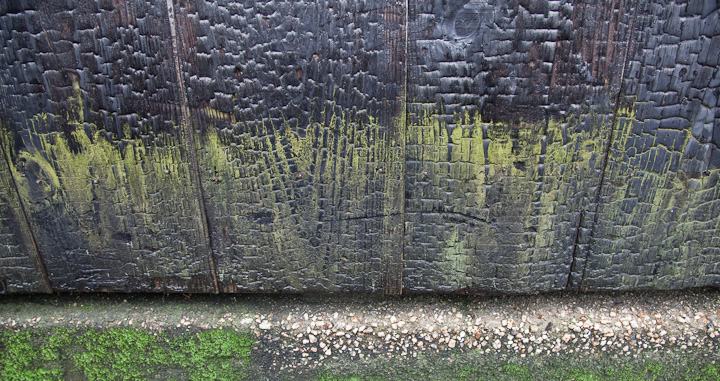
Just a quick gallery of the art and Architecture on the Island of Naoshima. Â Amazing place with a mix of the vernacular and not so vernacular forms of art and architecture.
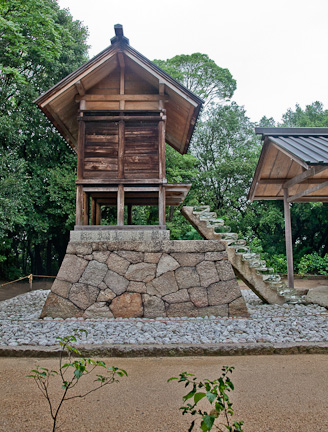
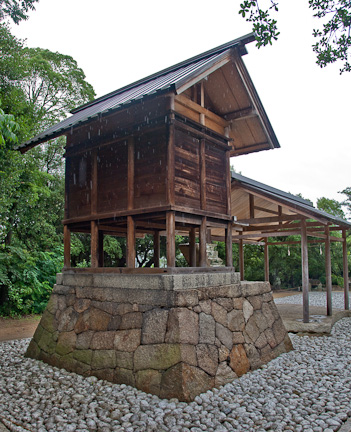
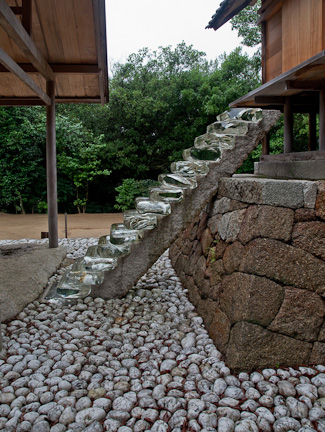
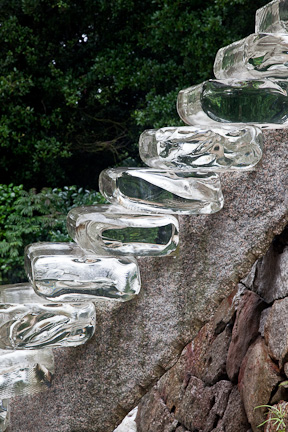
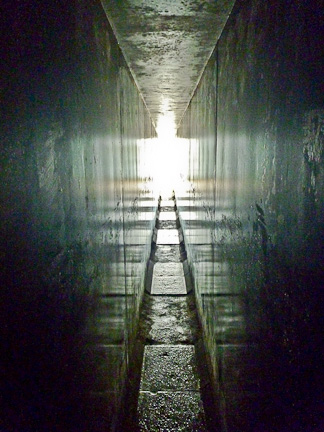
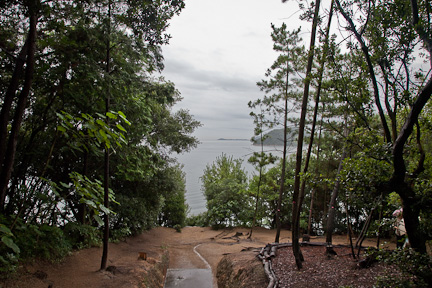
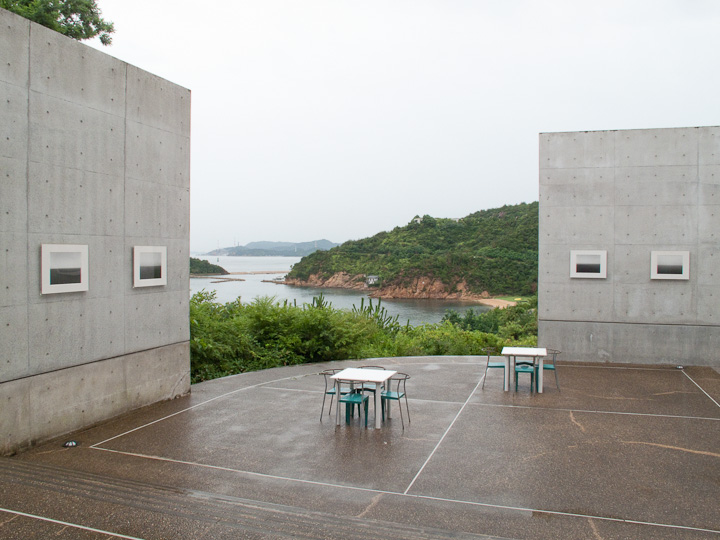
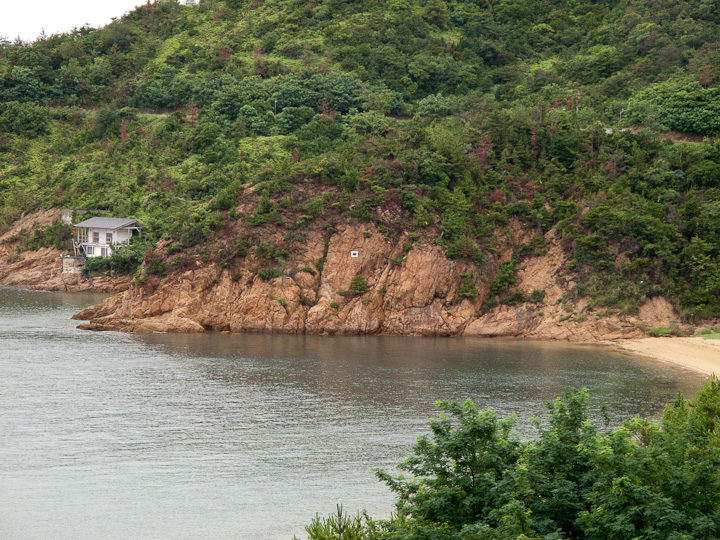
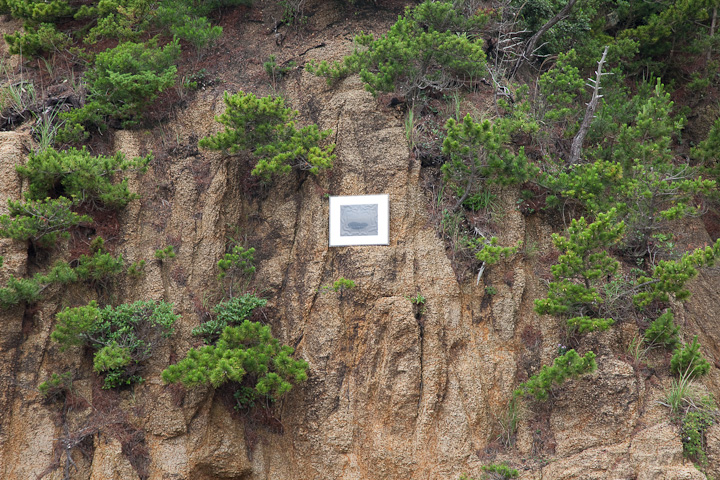
Sugimoto is best known as a photographer.  However, his installations and the Go’o Shrine at Naoshima show him as much more then a photographer. His works on Naoshima display a keen sense of light, space, mystery and architecture that leads the viewer to new and inspiring interpretations of his works and the architectural spaces in which some they are installed.
Go’o Shrine
To learn more about the Shrine got the link below.
http://www.benesse-artsite.jp/en/arthouse/gooshrine.html

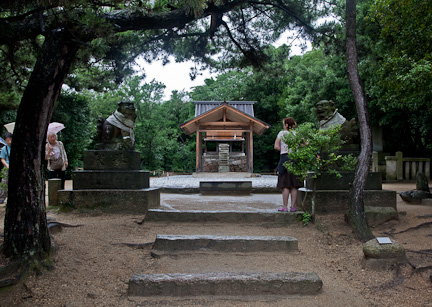
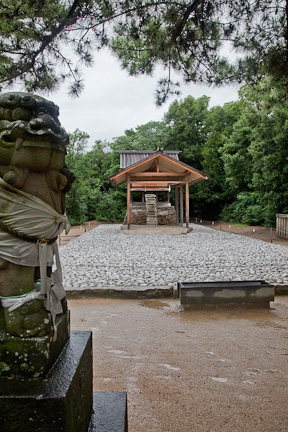
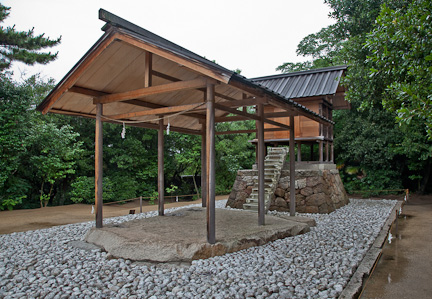
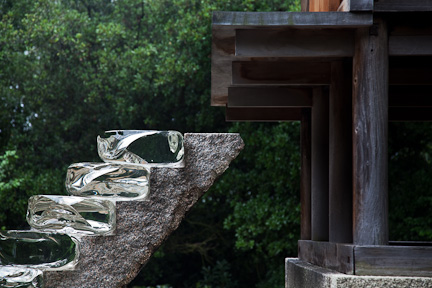
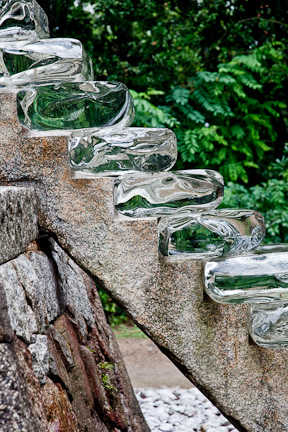
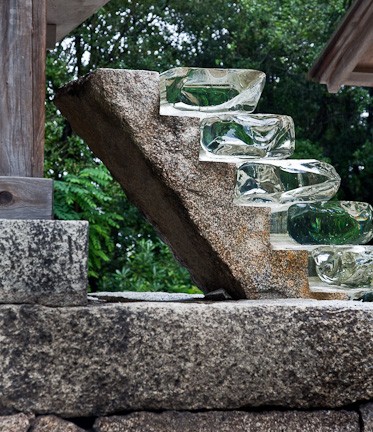
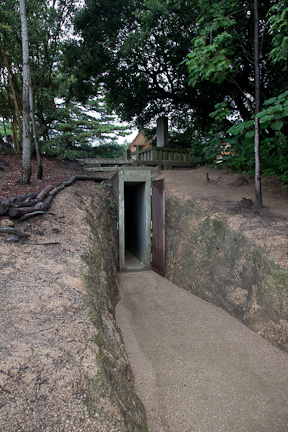
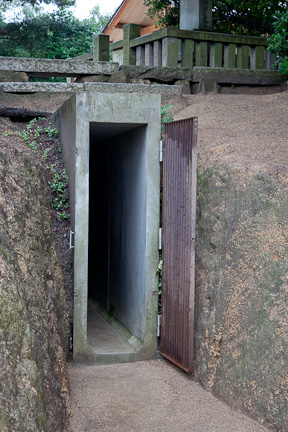
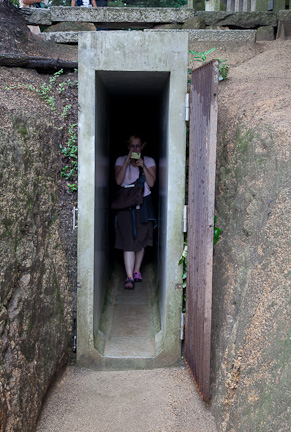
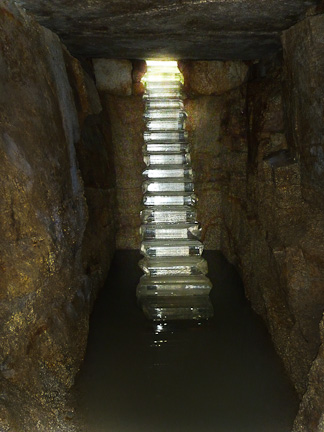
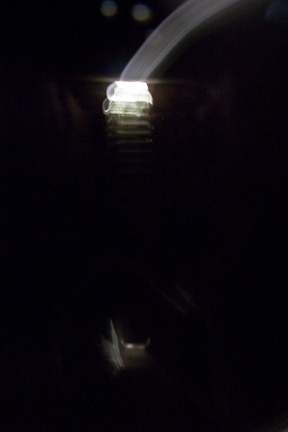
Photographs and Sculptural Installations
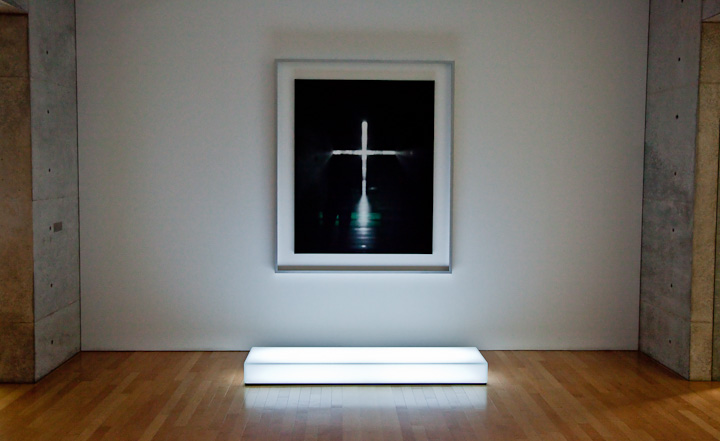
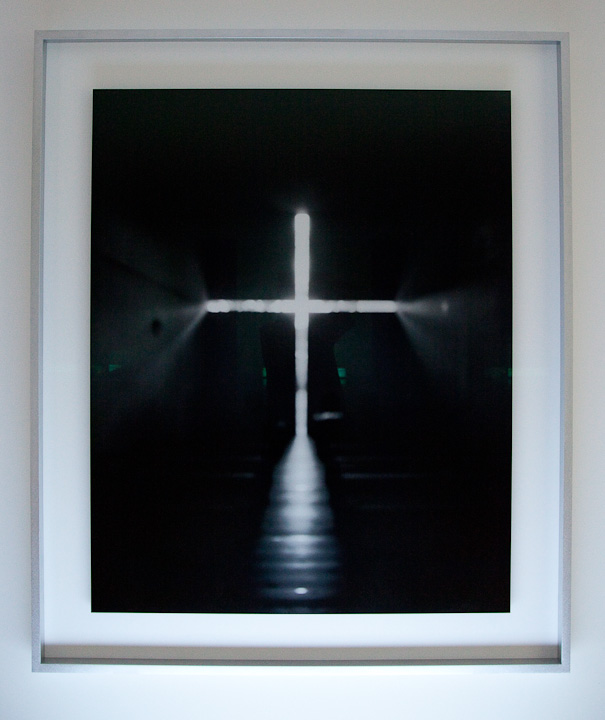
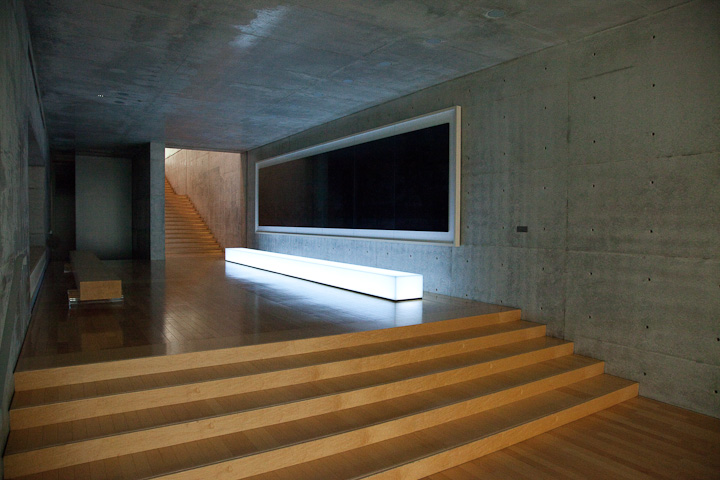
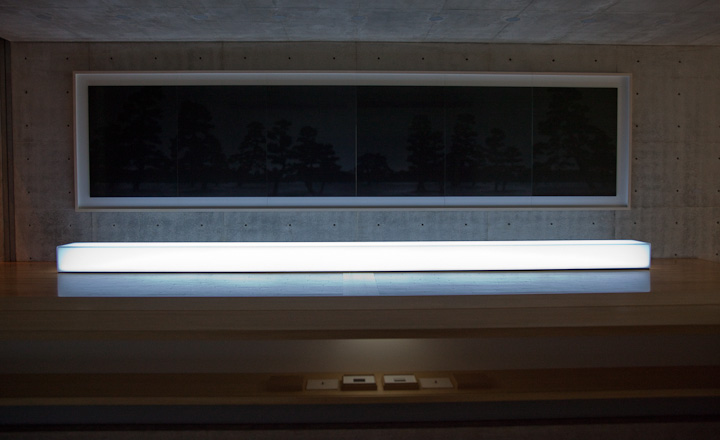
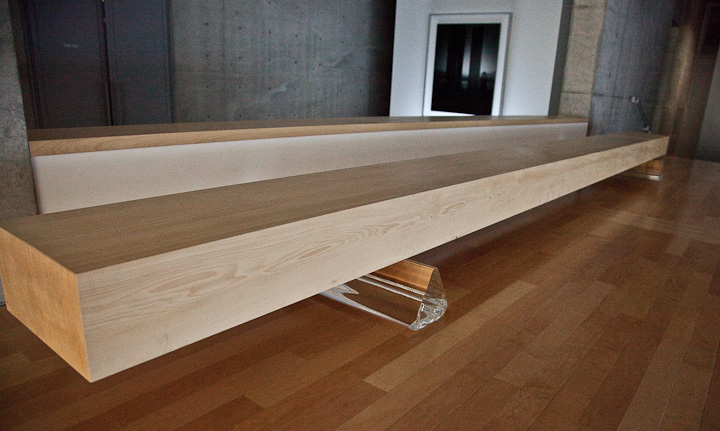
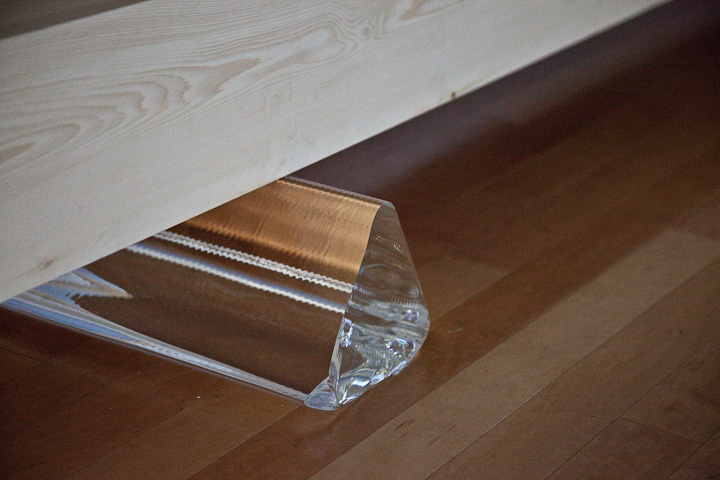
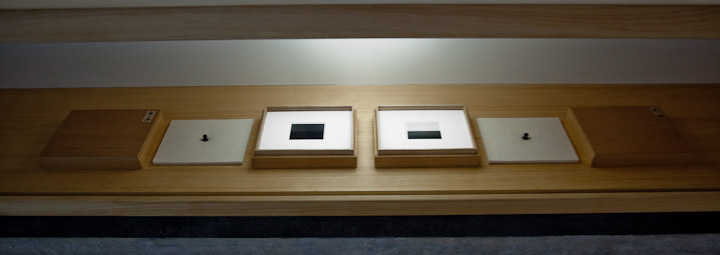
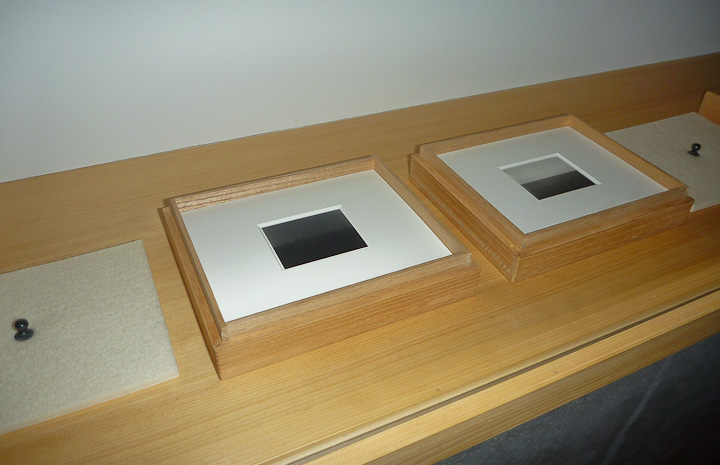
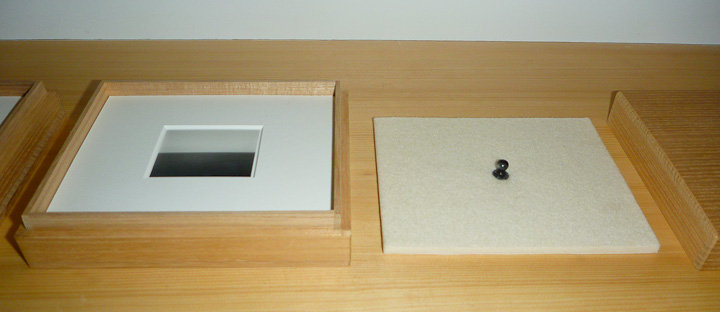
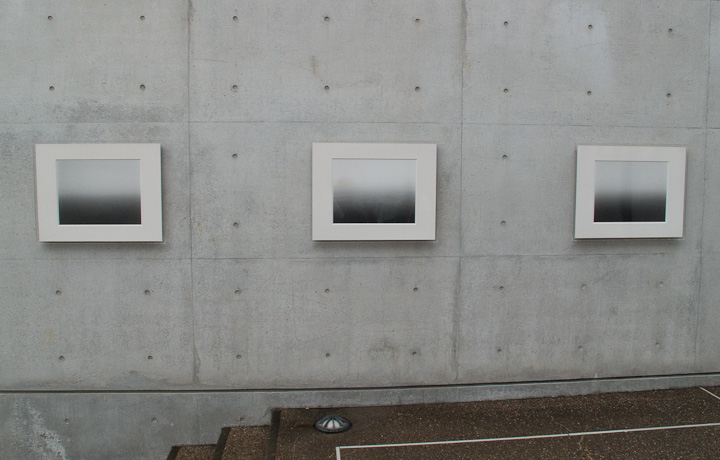
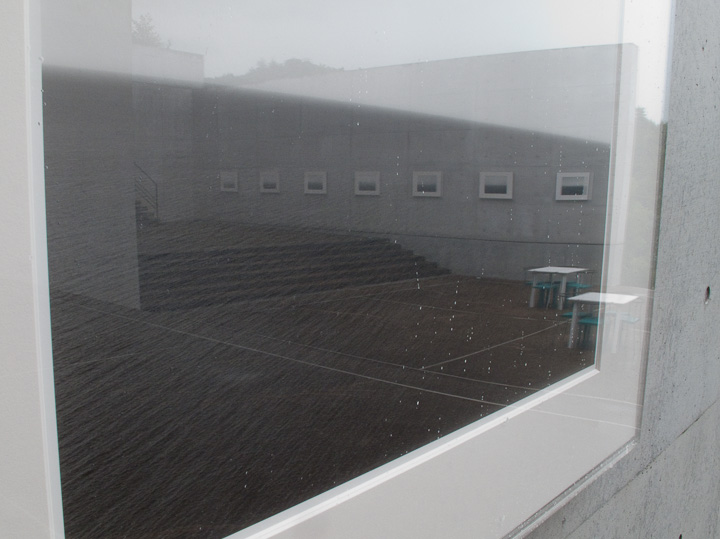
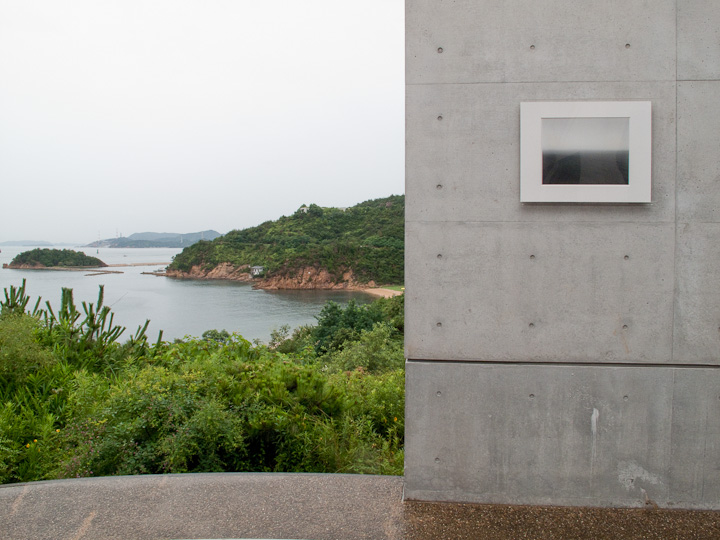
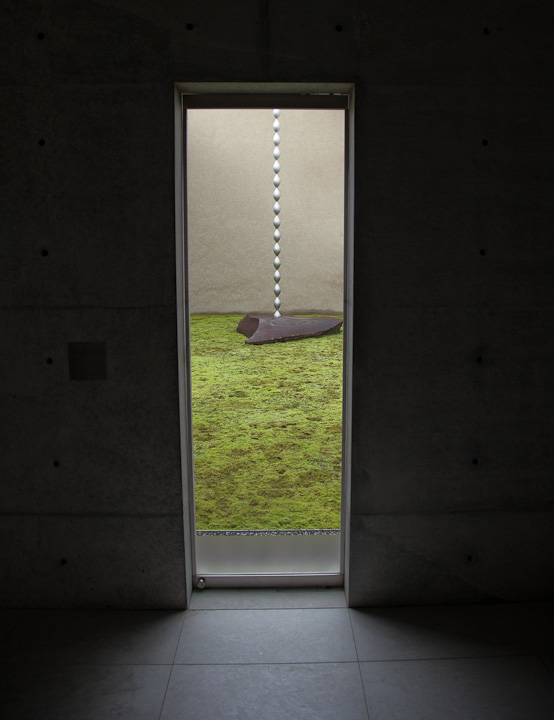
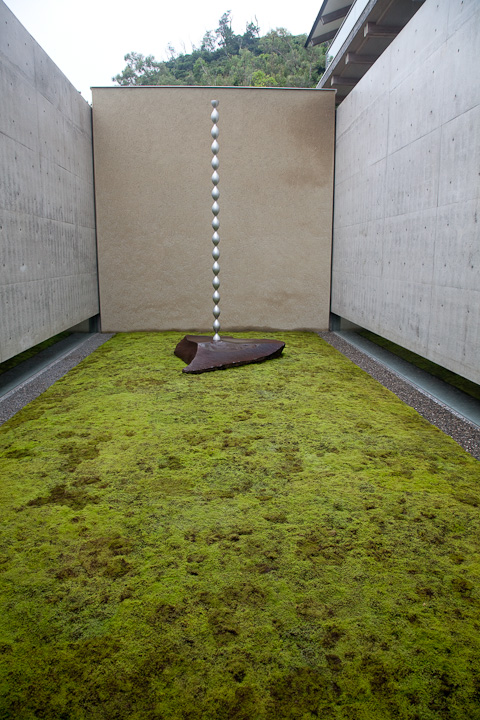
On the lower floor of the Park building at the Benesse art site there is a great installation of Sugimoto photographs and sculptural installations. Below is a quick overview of the highlights and details that I found interesting.
Why you ask must I do this now? Â Well because we missed our bus this morning and we are stuck in Hekou. Â Where in the hell is Hekou you ask? Â China of course. Â The part of China where no one speaks english (why should they) and it is hot as hell and there is a strange “American” with a funny european accent at the bus station who said he is from Florida but likes to spend two or three months a year in Hekou watching late night american cable on his “slingbox” in the middle of the day. Â No, I am not making this up.
Below is the border, on the left Vietnam, on the right China.
On the left people that speak some english and want to sell me Bun Cha and other delightful foods.
On the right people that speak almost no english at all and do not want or need to sell me anything. Â Tourism (especially western tourism) is not really a part of the economy in Hekou. Â It makes life a bit more challenging and makes me think I should have looked more closely at the Mandarin phrase book buried deep in my bag.
Looks like a nice day, did I mention it is hot as hell, and humid!

Don’t get me wrong we are excited to be in China, we just did not expect to be stuck in Hekou. Â Which I am sure has it up sides, we are going to go look for those in a few hours after our shirts stop sticking to our backs and we regain composure after hauling or bags around for an hour trying six different ATMs and warding off numerous street vendors trying to exchange our money at a “good rate”. Â This communicated by pointing at their bags and smiling or waving money at us. Â Oh and did I mention the strange guy at the bus station. Â To be fair two Chinese women did help us find out when the first bus is tomorrow, which must have been very amusing to the many onlookers in the station. Â The language barrier here leads to much gesturing and pointing to guide books followed by much shaking of the head by the frustrated Chinese people trying to help us. Â Happily we are settled in an AC room with good internet and we are looking forward to our evening challenge of buying bus tickets for the morning and finding something to eat, wish us luck.
Another thing to be happy about is that we are not out on the border crossing pushing one of these.

People are lined up with carts and bikes that have been cobbled together with rebar and steel pipes to create a kind of two wheeled and three wheeled cart that they use for hauling everything from fruit and vegetables to bathroom tiles into Vietnam. Â The bikes look something like this one that has just returned empty.


Why haul all of this material with bikes and carts? Â Who knows, just another part of the local economy I suppose. Â We get this stuff from China in shipping containers, Vietnam gets it on crazy bike/cart/basket contraptions. Â I know growing rice is hard, back breaking work but I think I would prefer it over pushing carts across this bridge.

So, I think you can see why I am now professing my love for Vietnam and apologize for any disparaging comments I might have made about night trains, traffic or the constant efforts to seperate me from my money. Â So, we are now in China and I am fighting the overwhelming urge to run back to our mountain retreat in Sapa and hide from the world.
